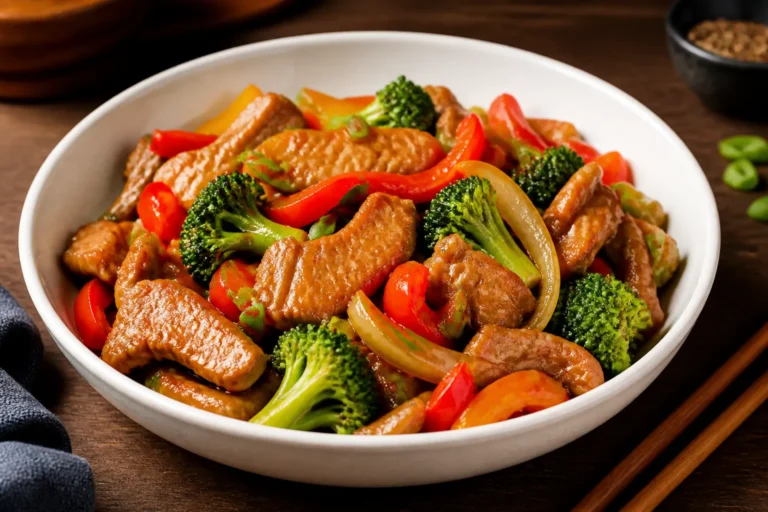
Pork Tenderloin Meal Prep Bowls – Simple, Flavorful, and Ready for the Week
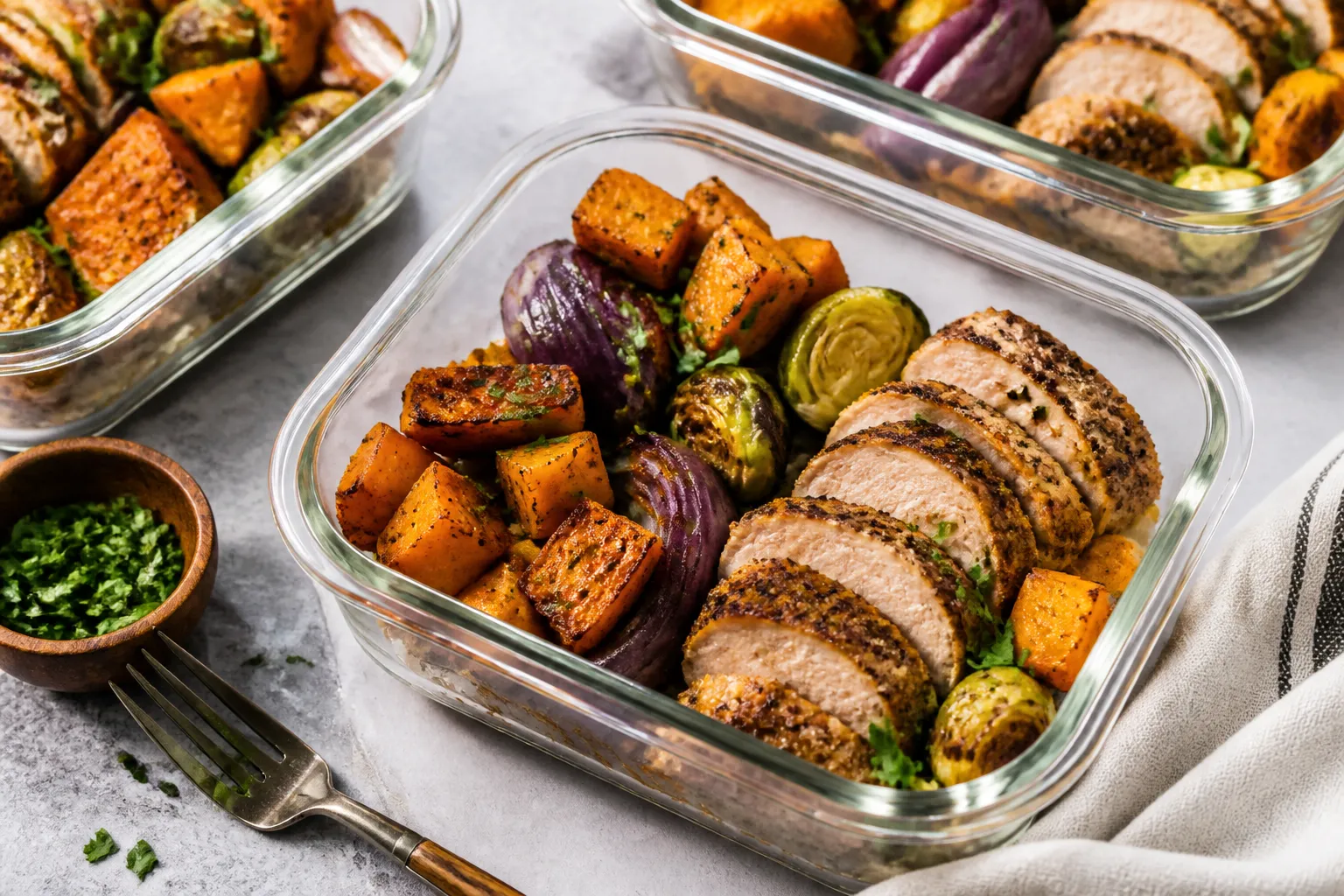
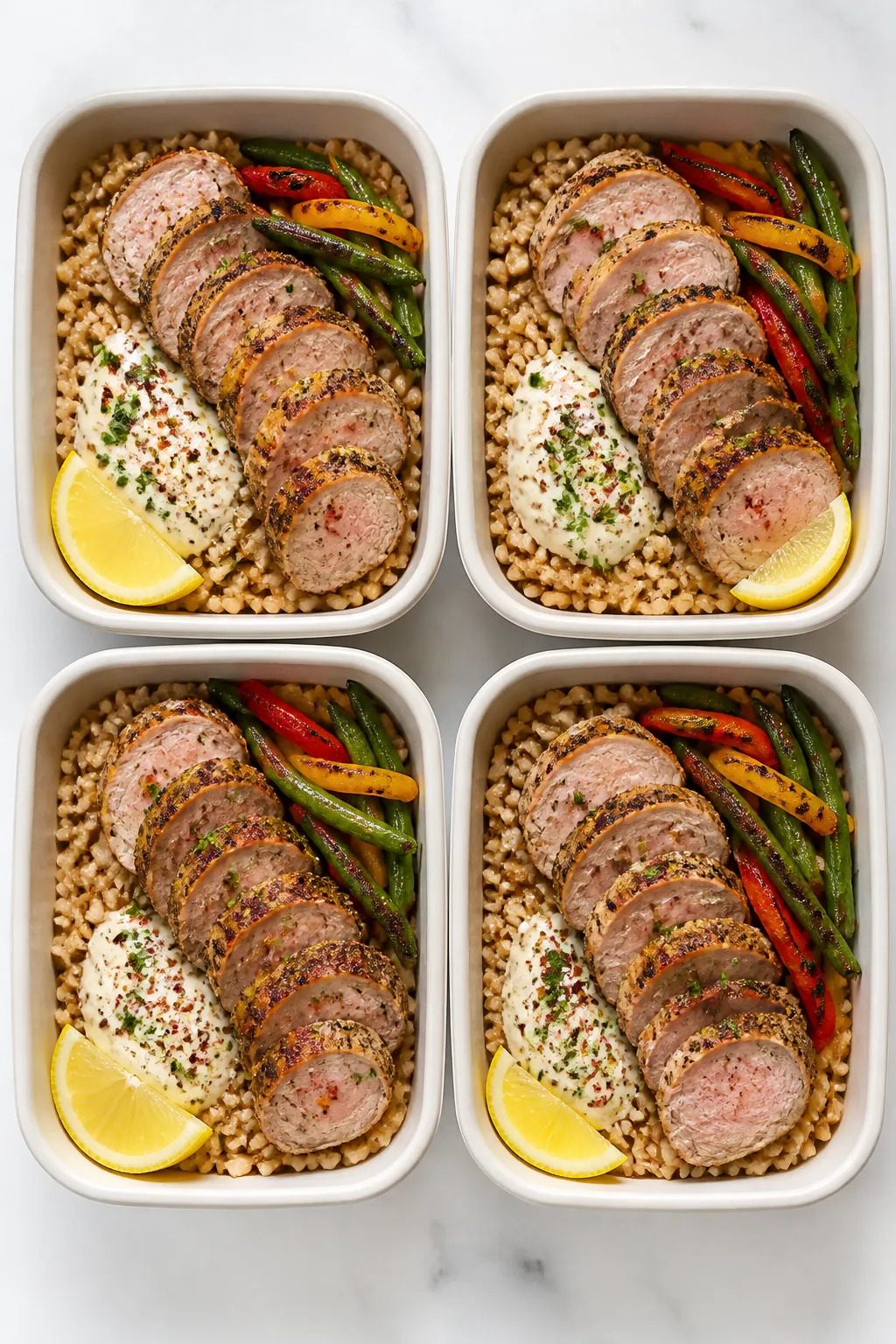
Pork tenderloin is one of those cuts that feels fancy but cooks fast and stays tender with very little effort. When you slice it into juicy medallions and pair it with colorful veggies and grains, you get satisfying meal prep bowls that actually make you look forward to lunch. These bowls balance lean protein, fiber, and fresh flavor, and they hold up beautifully in the fridge.
Need More Easy Dinner Ideas?
Get my FREE 7-Day Easy Dinner Reset and enjoy a full week of healthy dinners without the meal-planning stress.
You get variety in every bite without a long, complicated cooking session. If you’re trying to eat well without spending all weekend in the kitchen, this is a great place to start.
Ingredients
Method
- Preheat and prep: Heat your oven to 425°F (220°C). Line two sheet pans with parchment for easy cleanup. Rinse the pork and pat it dry with paper towels.
- Trim the pork: Use a sharp knife to remove the silver skin (that shiny, tough membrane). This helps keep the meat tender.
- Mix the rub: Combine salt, pepper, smoked paprika, garlic powder, onion powder, and dried thyme in a small bowl. Add 1 tablespoon olive oil to form a loose paste.
- Season the pork: Rub the spice mixture all over the tenderloins. Let it sit while you prep the veggies.
- Prep the veggies: Cut into even pieces so they roast at the same pace. Toss with 1–2 tablespoons olive oil, a big pinch of salt, and black pepper.
- Start the grain: Cook quinoa, rice, or farro according to package directions. Fluff and set aside. For extra flavor, use low-sodium broth instead of water.
- Roast the veggies: Spread them on one sheet pan in a single layer. Roast for 18–22 minutes, tossing once halfway, until caramelized and tender-crisp.
- Sear the pork (optional but best): Heat a large oven-safe skillet over medium-high. Add a teaspoon of oil. Sear the tenderloins 1–2 minutes per side until browned.
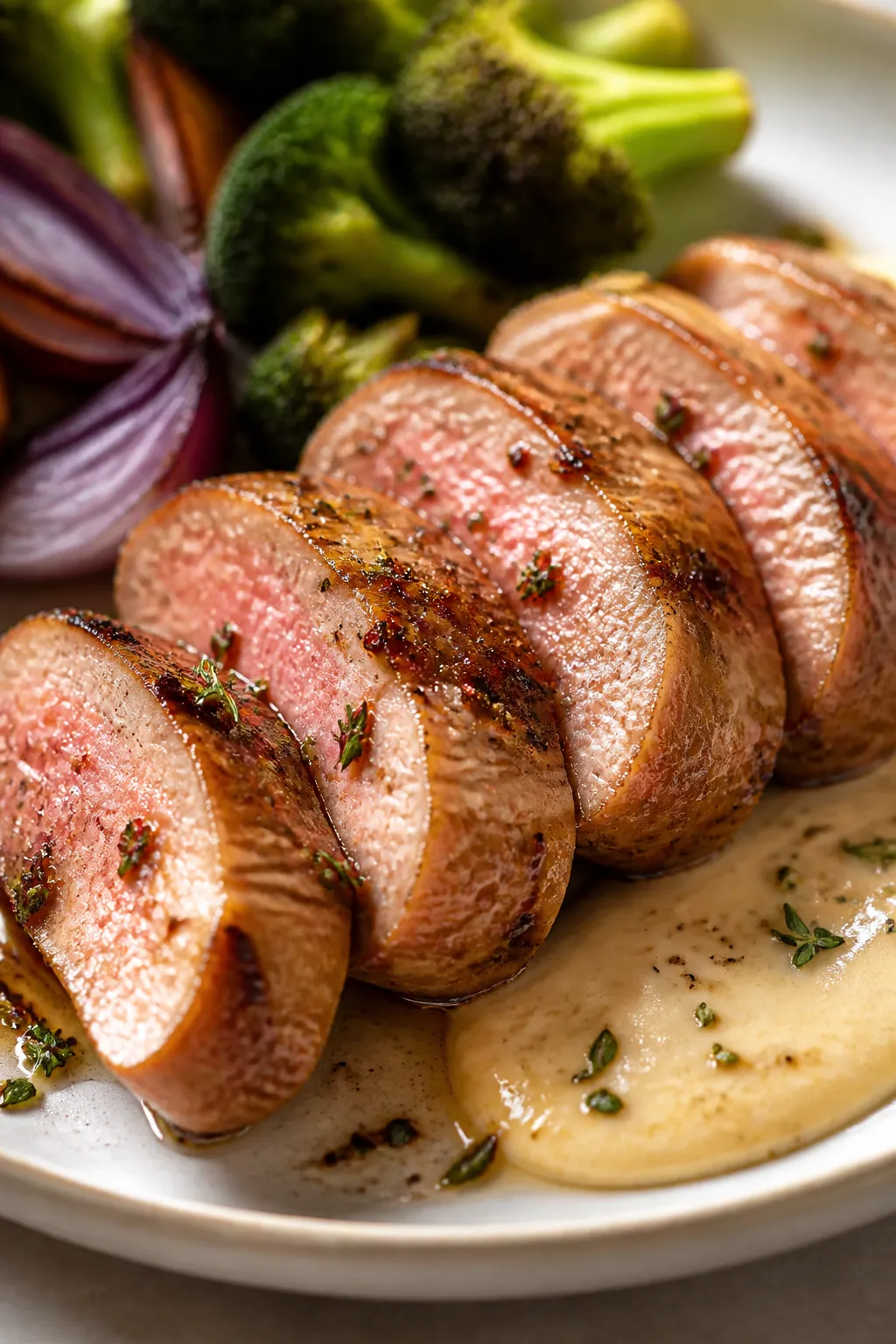
- Roast the pork: Transfer the skillet to the oven (or place pork on the second sheet pan). Roast 12–18 minutes, depending on thickness, until the center reaches 145°F (63°C). Don’t overcook.
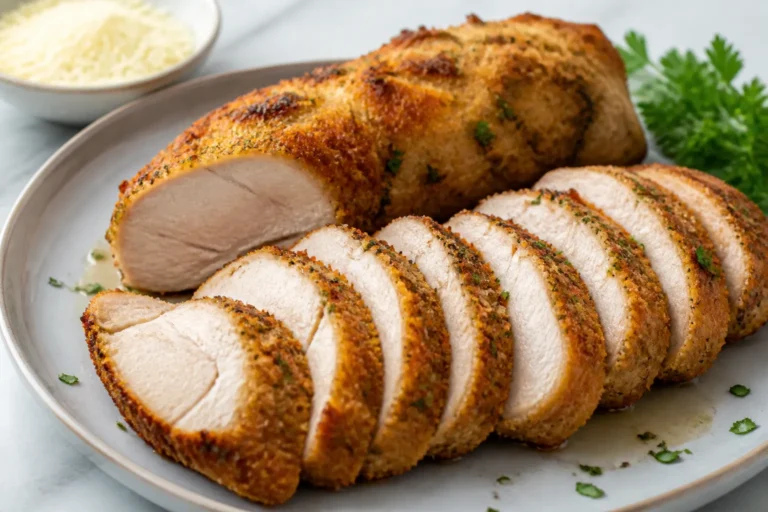
- Rest and slice: Let the pork rest 5–10 minutes. Slice into 1/2-inch medallions, keeping juices for drizzling.
- Make the sauce: Stir together yogurt, Dijon, lemon juice, olive oil, and grated garlic. Season with salt and pepper. Thin with a splash of water if needed.
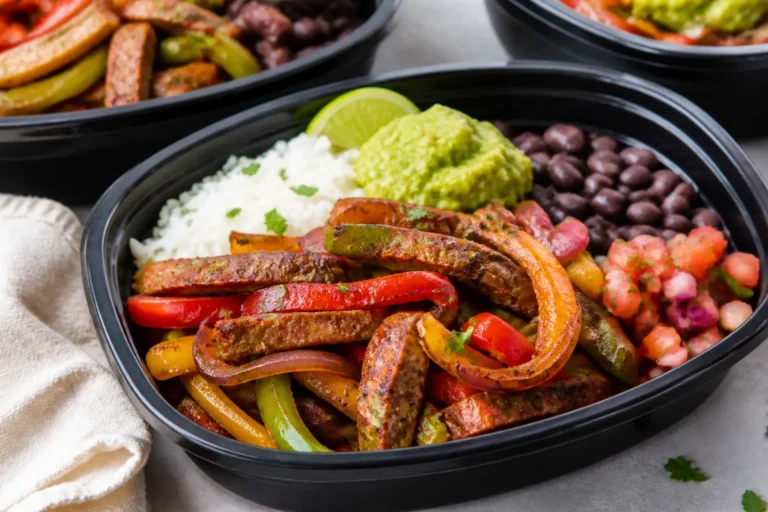
- Assemble bowls: Divide grain among containers. Add roasted veggies and sliced pork. Spoon over some pan juices and a drizzle of sauce. Keep some sauce on the side if you prefer.
- Cool and store: Let containers cool uncovered for 20–30 minutes, then seal and refrigerate up to 4 days.
What Makes This Special
- Quick-cooking protein: Pork tenderloin cooks in 15–20 minutes and stays tender if you don’t overdo it.
- Balanced and customizable: Pair with roasted veggies, a grain, and a bright sauce or dressing for a complete meal.
- Meal-prep friendly: Everything reheats well and holds texture for several days.
- Budget-smart: Pork tenderloin is usually more affordable than beef and often cheaper than chicken breasts per pound.
- Big flavor, simple steps: A quick spice rub and a zesty sauce do most of the work.
What You’ll Need
- Pork Tenderloin: 1.5–2 pounds (usually two small tenderloins)
- Olive Oil: 3 tablespoons, divided
- Spice Rub: 2 teaspoons kosher salt, 1 teaspoon black pepper, 1 teaspoon smoked paprika, 1 teaspoon garlic powder, 1/2 teaspoon onion powder, 1/2 teaspoon dried thyme
- Veggies (choose 2–3): 2 cups broccoli florets, 2 cups bell peppers (sliced), 1 red onion (wedges), 2 cups Brussels sprouts (halved), or 2 cups green beans
- Grain Base: 2 cups dry quinoa, brown rice, or farro (yields about 4–6 cups cooked)
- Simple Sauce: 1/3 cup plain Greek yogurt, 1 tablespoon Dijon mustard, 1 tablespoon lemon juice, 1 tablespoon olive oil, 1 small garlic clove (grated), salt and pepper to taste
- Optional Extras: 1 avocado (sliced before serving), fresh herbs (parsley or cilantro), red pepper flakes, lemon wedges
- Meal Prep Containers: 4–6 containers with tight lids
Step-by-Step Instructions
- Preheat and prep: Heat your oven to 425°F (220°C). Line two sheet pans with parchment for easy cleanup.
Rinse the pork and pat it dry with paper towels.
- Trim the pork: Use a sharp knife to remove the silver skin (that shiny, tough membrane). This helps keep the meat tender.
- Mix the rub: Combine salt, pepper, smoked paprika, garlic powder, onion powder, and dried thyme in a small bowl. Add 1 tablespoon olive oil to form a loose paste.
- Season the pork: Rub the spice mixture all over the tenderloins.
Let it sit while you prep the veggies.
- Prep the veggies: Cut into even pieces so they roast at the same pace. Toss with 1–2 tablespoons olive oil, a big pinch of salt, and black pepper.
- Start the grain: Cook quinoa, rice, or farro according to package directions. Fluff and set aside.
For extra flavor, use low-sodium broth instead of water.
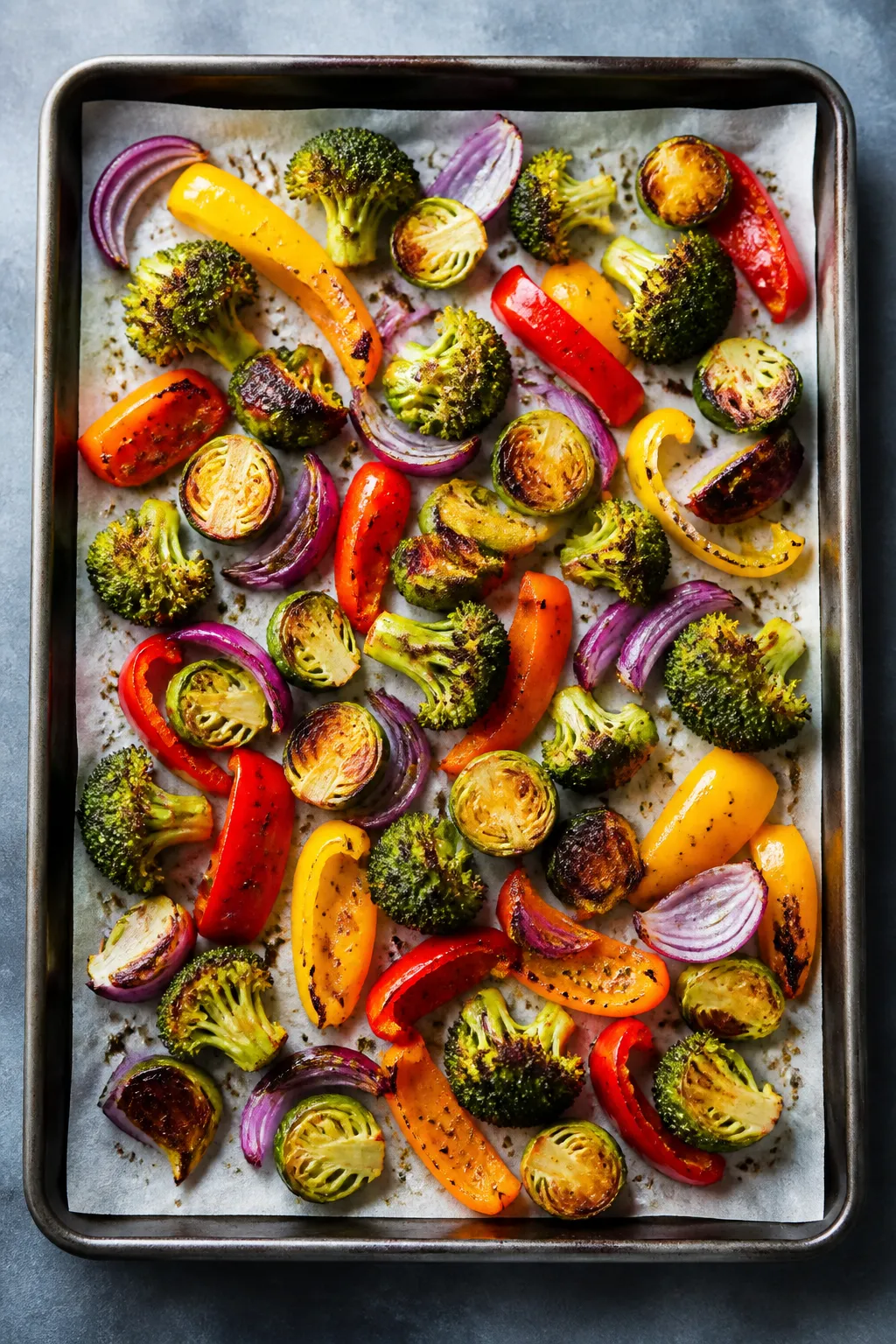
- Roast the veggies: Spread them on one sheet pan in a single layer. Roast for 18–22 minutes, tossing once halfway, until caramelized and tender-crisp.
- Sear the pork (optional but best): Heat a large oven-safe skillet over medium-high. Add a teaspoon of oil.
Sear the tenderloins 1–2 minutes per side until browned.
- Roast the pork: Transfer the skillet to the oven (or place pork on the second sheet pan). Roast 12–18 minutes, depending on thickness, until the center reaches 145°F (63°C). Don’t overcook.
- Rest and slice: Let the pork rest 5–10 minutes.
Slice into 1/2-inch medallions, keeping juices for drizzling.
- Make the sauce: Stir together yogurt, Dijon, lemon juice, olive oil, and grated garlic. Season with salt and pepper. Thin with a splash of water if needed.
- Assemble bowls: Divide grain among containers.
Add roasted veggies and sliced pork. Spoon over some pan juices and a drizzle of sauce. Keep some sauce on the side if you prefer.
- Cool and store: Let containers cool uncovered for 20–30 minutes, then seal and refrigerate up to 4 days.
Keeping It Fresh
- Cool before sealing: Trapping steam can make grains soggy and create excess condensation.
- Sauce on the side: Store the yogurt sauce separately to keep textures crisp.
Add after reheating.
- Use shallow containers: Wider, shallow containers help food chill faster and evenly.
- Reheat gently: Microwave in 45–60 second bursts, stirring between, until warm. Avoid overheating the pork to keep it tender.
- Freeze smart: Freeze pork and grains up to 2 months; skip freezing the yogurt sauce and most roasted veggies. Add fresh veggies after thawing.
Benefits of This Recipe
- High in protein, lower in fat: Pork tenderloin is a lean cut that keeps you full without feeling heavy.
- Fiber-rich sides: Whole grains and roasted veggies support steady energy and better digestion.
- Meal-prep efficiency: One oven session covers protein and sides for several days.
- Great flavor payoff: The spice rub and lemony mustard sauce bring brightness without extra calories.
- Flexible for preferences: Swap grains, veggies, or seasonings to match your taste or what’s in your pantry.
What Not to Do
- Don’t overcook the pork: Pull it at 145°F.
It will be slightly pink and very juicy after resting.
- Don’t skip trimming: Silver skin turns chewy and tight. Removing it makes a big difference.
- Don’t crowd the pans: Overlapping veggies steam instead of roast, losing that caramelized edge.
- Don’t sauce too early: Saucing before storage softens textures and dulls flavors.
- Don’t ignore resting time: Slicing right away releases juices onto the board, not into your bowl.
Variations You Can Try
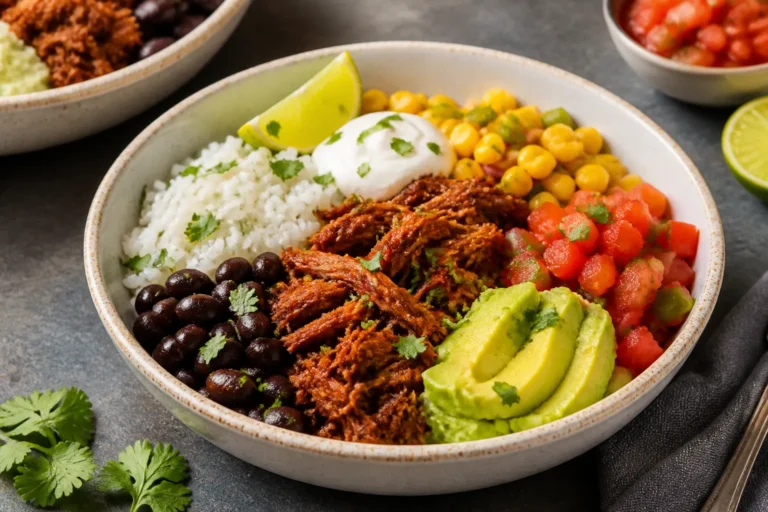
- Southwest: Rub with chili powder, cumin, and coriander. Serve with brown rice, roasted corn and peppers, black beans, and a squeeze of lime.
Top with cilantro and a spoon of salsa.
- Mediterranean: Use oregano, garlic, and lemon zest. Pair with farro, cherry tomatoes, cucumbers (add fresh after reheating), olives, and tzatziki.
- Maple-Mustard: Brush pork with a mix of Dijon and pure maple syrup for the last 5 minutes of roasting. Serve with roasted sweet potatoes and green beans.
- Herb-Garlic: Coat with minced garlic, rosemary, and thyme.
Serve with quinoa and roasted Brussels sprouts. Finish with a drizzle of balsamic reduction.
- Spicy Sesame: Rub with five-spice and a pinch of cayenne. Serve with brown rice, roasted broccoli, and a light sesame-soy drizzle.
Add sliced scallions after reheating.
FAQ
How do I know when the pork is done?
Use an instant-read thermometer. The center should reach 145°F (63°C). The meat will look slightly pink inside, which is safe and keeps it juicy.
Let it rest 5–10 minutes before slicing.
Can I use pork loin instead of tenderloin?
Never wonder what's for dinner again.
Get 7 healthy, family-friendly dinners complete with recipes, grocery lists, and simple meal plans delivered straight to your inbox.
You can, but the cooking time changes. Pork loin is larger and thicker, so it takes longer and can dry out if treated the same. If you use loin, roast at a lower temp (around 350°F/175°C) and cook to 145°F, then rest.
What’s the best veggie combo for meal prep?
Choose sturdy vegetables that reheat well, like broccoli, Brussels sprouts, carrots, bell peppers, and green beans.
Avoid watery options like zucchini if you plan to reheat multiple times.
How long do these bowls last in the fridge?
Stored in airtight containers, they keep well for up to 4 days. Keep the sauce separate for best texture and flavor.
Can I make this dairy-free or gluten-free?
Yes. For dairy-free, swap the yogurt sauce for a tahini-lemon sauce or olive oil and lemon.
For gluten-free, choose naturally gluten-free grains like rice or quinoa and check your mustard and spices.
How should I reheat without drying the pork?
Reheat on medium power in short bursts, adding a splash of water or broth to the grains if needed. Stop as soon as it’s warm. You can also rewarm the pork slices briefly in a covered skillet over low heat.
Do I need to marinate the pork?
Not required.
A dry rub and proper cooking time deliver plenty of flavor. If you prefer a marinade, keep it simple and acidic (lemon, Dijon, olive oil) and limit to 30–60 minutes.
Can I grill the pork instead of roasting?
Absolutely. Sear over medium-high direct heat to brown, then move to indirect heat until it reaches 145°F.
Rest, slice, and assemble as usual.
What’s the serving size per bowl?
Aim for about 4–6 ounces of cooked pork per bowl, 1 to 1 1/2 cups of veggies, and 3/4 to 1 cup of cooked grains. Adjust based on your goals and appetite.
Is pork tenderloin healthy?
Yes. It’s a lean cut comparable to chicken breast in fat content, especially when trimmed.
Paired with whole grains and vegetables, it makes a well-balanced meal.
Final Thoughts
Pork Tenderloin Meal Prep Bowls are simple to make, easy to customize, and genuinely satisfying. With a quick rub, a bright sauce, and a smart mix of grains and veggies, you get flavorful lunches ready for the week. Focus on not overcooking the pork and keeping the sauce separate, and your bowls will taste fresh on day four.
It’s a reliable, repeatable recipe that fits busy schedules without sacrificing flavor.
Printable Recipe Card
Want just the essential recipe details without scrolling through the article? Get our printable recipe card with just the ingredients and instructions.
Loved This Recipe?
If you're looking for more simple, healthy dinners your family will actually eat, grab my FREE 7-Day Easy Dinner Reset. You'll get 7 easy dinner recipes, simple grocery lists, and a done-for-you plan that takes the stress out of mealtime.