Parmesan Crusted Pork Tenderloin – Crispy, Juicy, and Easy
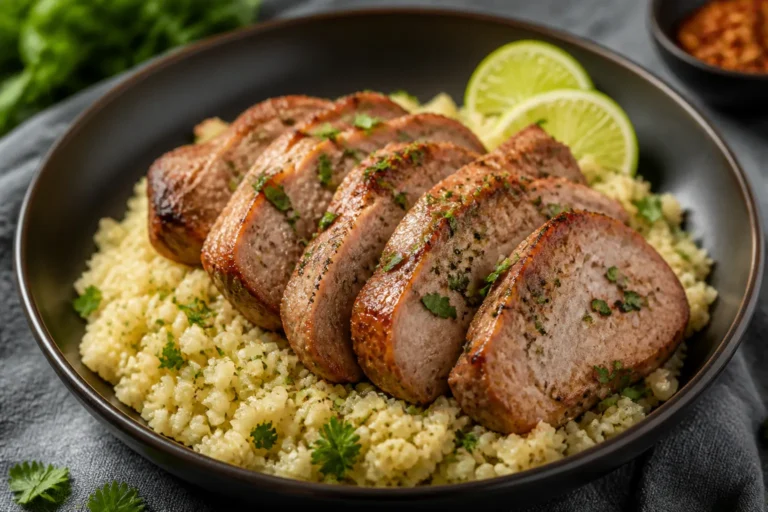
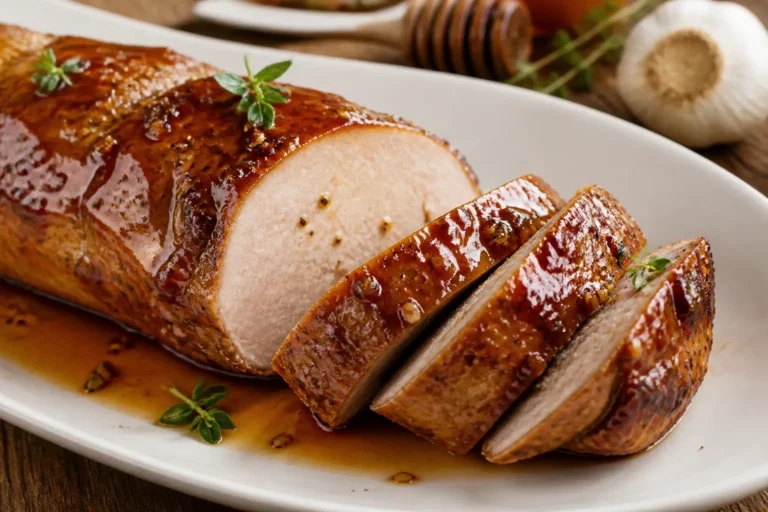
This Parmesan crusted pork tenderloin gives you the best of both worlds: a crunchy, savory coating wrapped around juicy, tender meat. It’s the kind of dinner that looks impressive but is surprisingly simple to pull off on a weeknight. The crust packs real flavor thanks to Parmesan, herbs, and garlic, and it turns golden in the oven without much fuss.
Need More Easy Dinner Ideas?
Get my FREE 7-Day Easy Dinner Reset and enjoy a full week of healthy dinners without the meal-planning stress.
Serve it with roasted veggies, a crisp salad, or creamy mashed potatoes, and you’re set. If you’re new to cooking pork tenderloin, this is one of the easiest and most forgiving ways to make it.

Ingredients
Method
- Prep the oven and pan: Preheat the oven to 400°F (205°C). Line a sheet pan with foil and place a wire rack on top for extra crispness, or simply use a lightly oiled sheet pan.
- Trim the tenderloin: Pat the pork dry with paper towels. Use a sharp knife to remove any silver skin so the crust adheres well and the meat stays tender.
- Season the meat: Sprinkle the tenderloin all over with a pinch of kosher salt and black pepper. Let it sit for 5 minutes while you make the coating.
- Mix the crust: In a shallow bowl, combine Parmesan, panko, Italian seasoning, garlic powder, onion powder, paprika, 1/2 teaspoon salt, and pepper. Stir well so the seasoning is even.
- Make the binder: In a small bowl, whisk Dijon mustard with 1 tablespoon olive oil. For extra insurance, whisk in the beaten egg. This helps the crust cling tightly and creates a richer crust.
- Coat the pork: Brush the mustard mixture over the entire tenderloin. Press the Parmesan mixture onto all sides, gently but firmly, to create an even crust. Transfer to the prepared rack or pan.
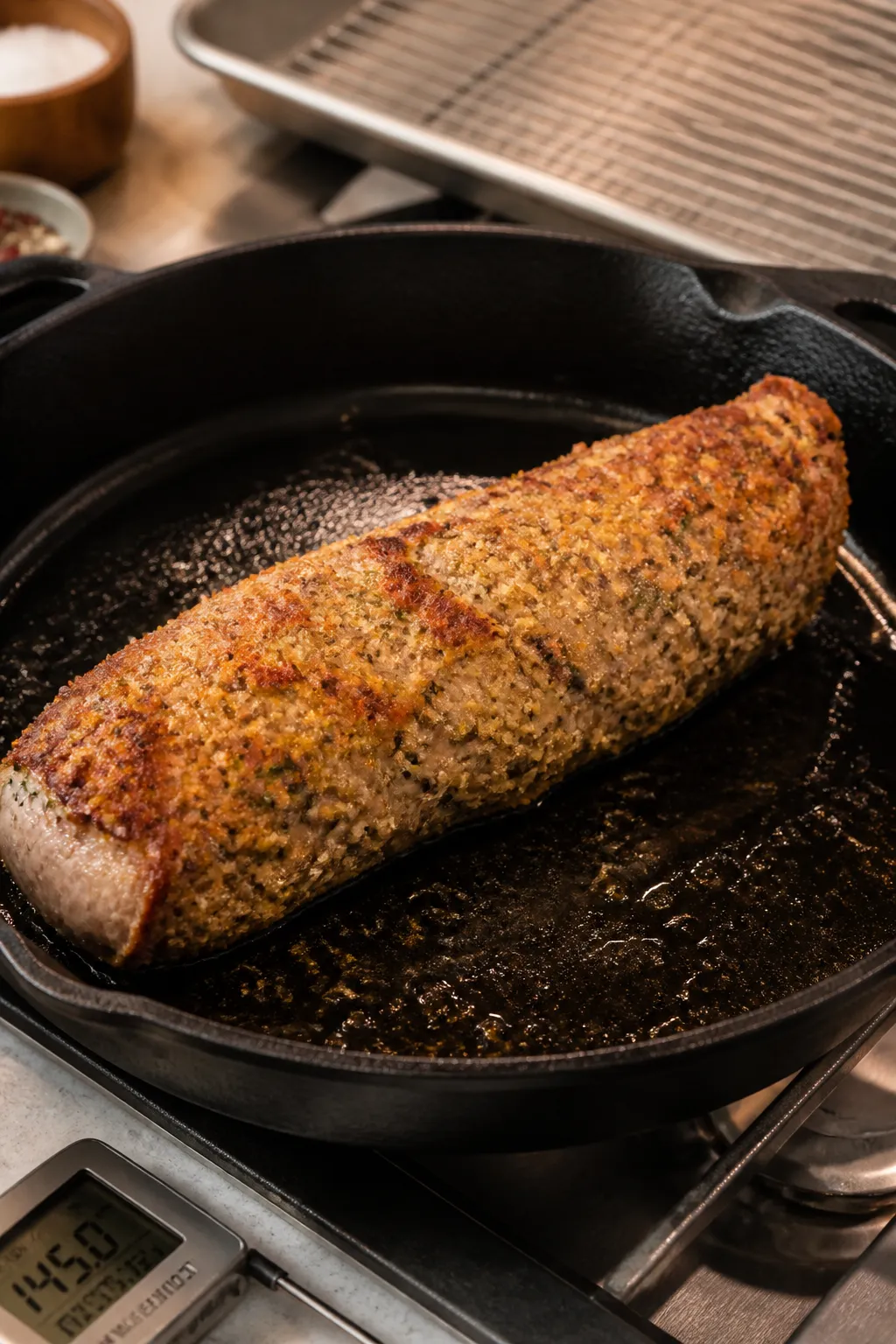
- Quick sear for color (optional but recommended): Heat a tablespoon of oil in an oven-safe skillet over medium-high. Sear the crusted pork for 45–60 seconds per side until lightly golden, then move the skillet to the oven. If skipping the sear, just bake on the sheet pan.
- Bake: Roast for 15–20 minutes, depending on thickness, until the center reaches 140–145°F (60–63°C) on an instant-read thermometer. The crust will turn golden and crisp.
- Rest: Remove from the oven and let the pork rest for 5–10 minutes. Resting keeps the juices inside and the slices tender.
- Slice and serve: Cut into 1/2-inch medallions. Sprinkle with chopped herbs and a squeeze of lemon if you like. Serve with your favorite sides.
Why This Recipe Works
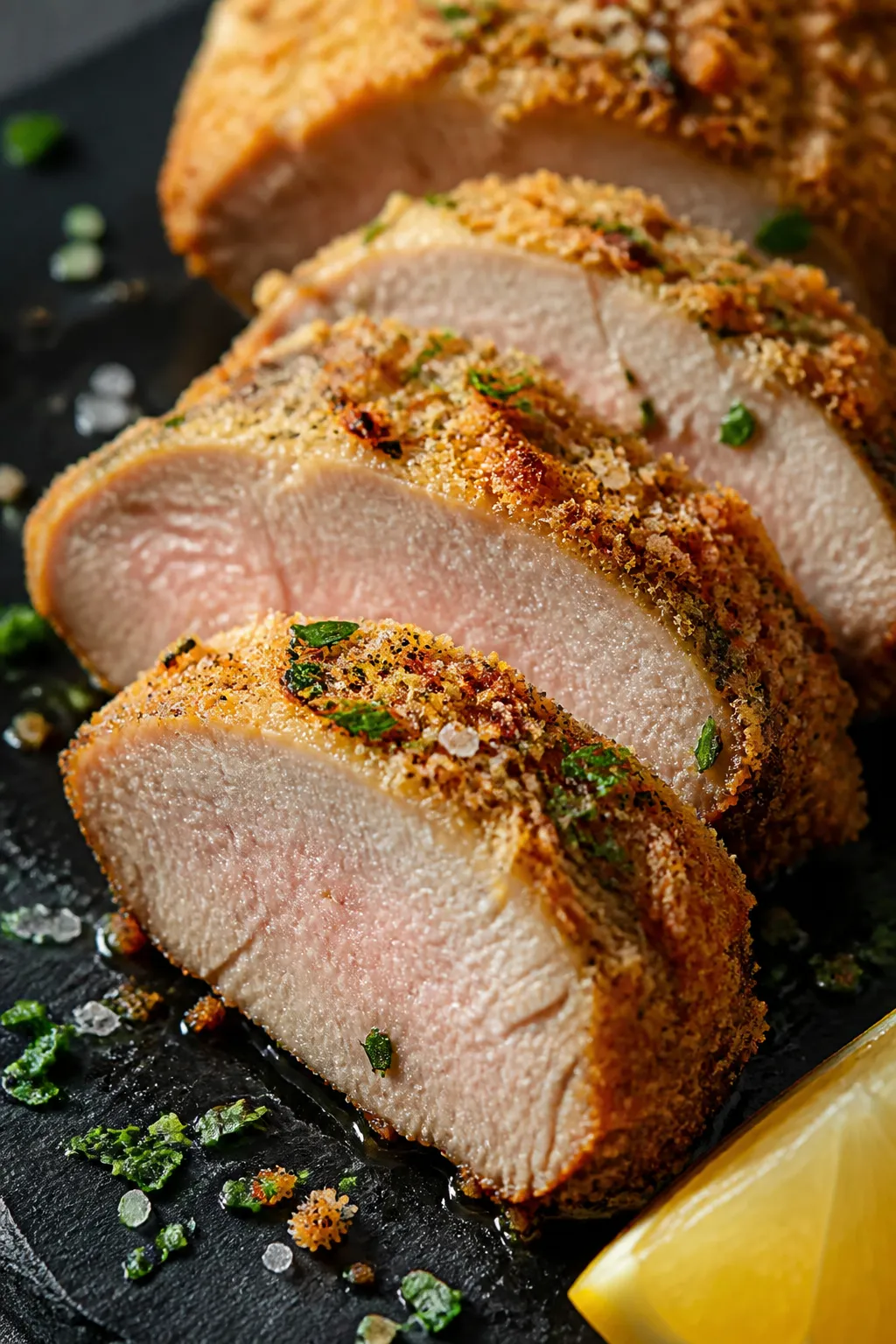
This recipe is built around contrast: a crisp, cheesy exterior and a moist, tender center. Pork tenderloin is naturally lean and cooks quickly, so it stays juicy when you don’t overdo it.
The Parmesan adds both salt and umami, helping the crust brown beautifully and stick to the meat. A quick sear locks in flavor, while finishing in the oven ensures even cooking. The result is a restaurant-style crust with simple pantry ingredients.
What You’ll Need
- 1 pork tenderloin (about 1 to 1.25 pounds), silver skin trimmed
- 1/2 cup finely grated Parmesan cheese (use a Microplane or very fine grater)
- 1/2 cup panko breadcrumbs (or regular breadcrumbs)
- 2 teaspoons Italian seasoning (or a mix of dried oregano, basil, and thyme)
- 1 teaspoon garlic powder
- 1/2 teaspoon onion powder (optional but nice)
- 1/2 teaspoon smoked paprika (or sweet paprika)
- 1/2 teaspoon kosher salt (plus more to season the meat)
- 1/2 teaspoon black pepper
- 2 tablespoons Dijon mustard (or mayonnaise)
- 1 tablespoon olive oil (plus more for searing)
- 1 large egg, lightly beaten (optional for extra binding)
- Fresh parsley or chives, chopped, for garnish (optional)
- Lemon wedges for serving (optional, but brightens the dish)
Instructions
- Prep the oven and pan: Preheat the oven to 400°F (205°C).
Line a sheet pan with foil and place a wire rack on top for extra crispness, or simply use a lightly oiled sheet pan.
- Trim the tenderloin: Pat the pork dry with paper towels. Use a sharp knife to remove any silver skin so the crust adheres well and the meat stays tender.
- Season the meat: Sprinkle the tenderloin all over with a pinch of kosher salt and black pepper. Let it sit for 5 minutes while you make the coating.
- Mix the crust: In a shallow bowl, combine Parmesan, panko, Italian seasoning, garlic powder, onion powder, paprika, 1/2 teaspoon salt, and pepper.
Stir well so the seasoning is even.
- Make the binder: In a small bowl, whisk Dijon mustard with 1 tablespoon olive oil. For extra insurance, whisk in the beaten egg. This helps the crust cling tightly and creates a richer crust.
- Coat the pork: Brush the mustard mixture over the entire tenderloin.
Press the Parmesan mixture onto all sides, gently but firmly, to create an even crust. Transfer to the prepared rack or pan.
- Quick sear for color (optional but recommended): Heat a tablespoon of oil in an oven-safe skillet over medium-high. Sear the crusted pork for 45–60 seconds per side until lightly golden, then move the skillet to the oven.
If skipping the sear, just bake on the sheet pan.
- Bake: Roast for 15–20 minutes, depending on thickness, until the center reaches 140–145°F (60–63°C) on an instant-read thermometer. The crust will turn golden and crisp.
- Rest: Remove from the oven and let the pork rest for 5–10 minutes. Resting keeps the juices inside and the slices tender.
- Slice and serve: Cut into 1/2-inch medallions.
Sprinkle with chopped herbs and a squeeze of lemon if you like. Serve with your favorite sides.
How to Store
Let leftovers cool to room temperature, then store in an airtight container in the fridge for up to 3 days. For best results, reheat slices in a 300°F (150°C) oven for 8–10 minutes to re-crisp the crust without drying out the meat.
You can also use an air fryer at 325°F for a few minutes. Avoid microwaving for too long, as it can make the crust soggy and the pork tough.
To freeze, wrap slices tightly in foil and place in a freezer bag for up to 2 months. Thaw overnight in the fridge and reheat gently in the oven.
Health Benefits
- Lean protein: Pork tenderloin is one of the leanest cuts of pork, offering high-quality protein with relatively low fat.
- Vitamins and minerals: It’s a notable source of B vitamins (especially B6 and B12), zinc, and selenium, which support energy, immunity, and muscle function.
- Smart fats and flavor: Using olive oil and Parmesan brings flavor without relying on heavy sauces.
Parmesan adds calcium and umami in small amounts.
- Portion-friendly: Because the crust is so flavorful, smaller portions feel satisfying, which can help with mindful eating.
Pitfalls to Watch Out For
- Overcooking: Pork tenderloin dries out quickly. Use a thermometer and pull it at 140–145°F, then rest. Don’t guess.
- Soggy crust: Moisture prevents crisping.
Pat the pork dry, use a rack if possible, and avoid crowding the pan.
- Thick, uneven pieces: If one end is much thinner, tuck it under itself and secure with toothpicks so it cooks evenly.
- Underseasoning: Parmesan is salty, but the meat still needs its own light seasoning. Taste the crumb mixture and adjust before coating.
- Coarse grate: Finely grated Parmesan adheres better and melts into the crumbs. Large shreds can shed during slicing.
Alternatives
- Gluten-free: Swap panko for crushed pork rinds or gluten-free breadcrumbs.
Make sure your Dijon is gluten-free.
- No egg: Skip the egg and use only Dijon and oil. Press the crumbs firmly and chill the coated tenderloin for 10 minutes before baking to help it set.
- Air fryer: Cook at 370°F (188°C) for 16–20 minutes, flipping halfway, until 140–145°F inside. The air fryer gives an extra-crisp crust.
- Herb variations: Try rosemary and lemon zest, or swap paprika for chili powder for a mild kick.
Add crushed fennel seed for a sausage-like vibe.
- Cheese swap: Grana Padano or Pecorino Romano both work. Pecorino is saltier, so reduce added salt slightly.
- Butter finish: For a richer crust, melt 1 tablespoon butter and drizzle over the tenderloin in the last 5 minutes of baking.
FAQ
Can I make this ahead?
Never wonder what's for dinner again.
Get 7 healthy, family-friendly dinners complete with recipes, grocery lists, and simple meal plans delivered straight to your inbox.
Yes. Coat the pork up to 6 hours in advance and refrigerate uncovered on a rack to dry out the crust slightly.
Let it sit at room temperature for 15–20 minutes, then roast as directed.
What if I don’t have a thermometer?
It’s worth getting one, but in a pinch, bake for 18–20 minutes for a standard 1–1.25 lb tenderloin and rest 10 minutes. The center should be faintly blush and juices clear. Still, a thermometer gives the best results.
Is it safe for the pork to be a little pink?
Yes.
Pork tenderloin is safe at 145°F with a 3-minute rest. A slight pink hue is normal and keeps the meat juicy.
Can I use pork loin instead?
You can, but it’s thicker and cooks longer. Sear, then roast at 350°F until it reaches 145°F, which can take 45–60 minutes depending on size.
Consider butterflying to reduce time.
How do I keep the crust from falling off when slicing?
Let the meat rest fully, use a sharp slicing knife, and cut in clean, confident strokes. Fine-grated cheese, firm pressing, and optional egg in the binder also help the crust adhere.
What sides go best with this?
Roasted green beans, asparagus, or Brussels sprouts pair well. For something creamy, mashed potatoes or polenta are great.
A bright arugula salad with lemon vinaigrette balances the richness.
Can I pan-cook the whole thing without baking?
It’s tricky to cook it through on the stovetop without burning the crust. A brief sear plus oven finish gives the best texture and even doneness.
How spicy is this recipe?
It’s not spicy as written. If you like heat, add 1/4 teaspoon red pepper flakes or a pinch of cayenne to the crumb mix.
What if my tenderloin is very small or very large?
For smaller (under 1 lb), start checking at 12 minutes.
For larger (up to 1.5 lb), add 5–8 minutes. Always confirm with an instant-read thermometer.
Final Thoughts
Parmesan crusted pork tenderloin is one of those reliable, repeatable dinners that tastes special without demanding much. With a handful of pantry ingredients and a good sear-and-bake method, you get crisp edges, juicy slices, and big flavor.
Keep a thermometer handy, don’t skip the rest, and serve with something fresh and bright. Once you make it, you’ll have a new go-to for both weeknights and guests.
Printable Recipe Card
Want just the essential recipe details without scrolling through the article? Get our printable recipe card with just the ingredients and instructions.
Loved This Recipe?
If you're looking for more simple, healthy dinners your family will actually eat, grab my FREE 7-Day Easy Dinner Reset. You'll get 7 easy dinner recipes, simple grocery lists, and a done-for-you plan that takes the stress out of mealtime.