Healthy Korean Beef Meal Prep Bowls – Easy, Flavor-Packed Lunches
These bowls hit the sweet spot of bold flavor and weeknight practicality. Think savory-sweet Korean-style beef, crisp veggies, fluffy rice, and a drizzle of spicy sauce that makes each bite pop. It’s the kind of meal prep that actually tastes exciting by day four.
Need More Easy Dinner Ideas?
Get my FREE 7-Day Easy Dinner Reset and enjoy a full week of healthy dinners without the meal-planning stress.
You’ll get balanced macros, fast cook time, and simple ingredients from any regular grocery store. If you like meals that feel comforting yet fresh, this one’s for you.
Ingredients
Method
- Cook your base. Make 4 cups of cooked rice (about 1 1/3 cups dry). Fluff and let it cool slightly so it doesn’t steam up the containers. For lower carbs, steam cauliflower rice until just tender.
- Mix the sauce. In a bowl, whisk soy sauce, honey, rice vinegar, sesame oil, gochujang, and a splash of water (1–2 tablespoons). Taste and adjust heat and sweetness. Set aside.
- Prep the veggies. Slice bell pepper, carrots, and broccoli into bite-size pieces. Thinly slice green onions. If making quick pickles, toss cucumber and carrot with rice vinegar, honey, and salt. Let sit while you cook.
- Brown the beef. Heat oil in a large skillet over medium-high. Add ground beef and break it up. Cook until no longer pink and lightly browned, about 5–7 minutes. Drain excess fat if needed.
- Add aromatics. Reduce heat to medium. Stir in garlic and ginger. Cook 30–60 seconds until fragrant—don’t burn.
- Sauce it up. Pour the sauce into the skillet. Stir and simmer 2–3 minutes until glossy and slightly thickened. The beef should be coated and juicy, not soupy.
- Quick-cook veggies. In a second pan with a teaspoon of oil, sauté broccoli, bell pepper, and carrots with a pinch of salt for 3–4 minutes. You want bright, crisp-tender veggies. Remove from heat.
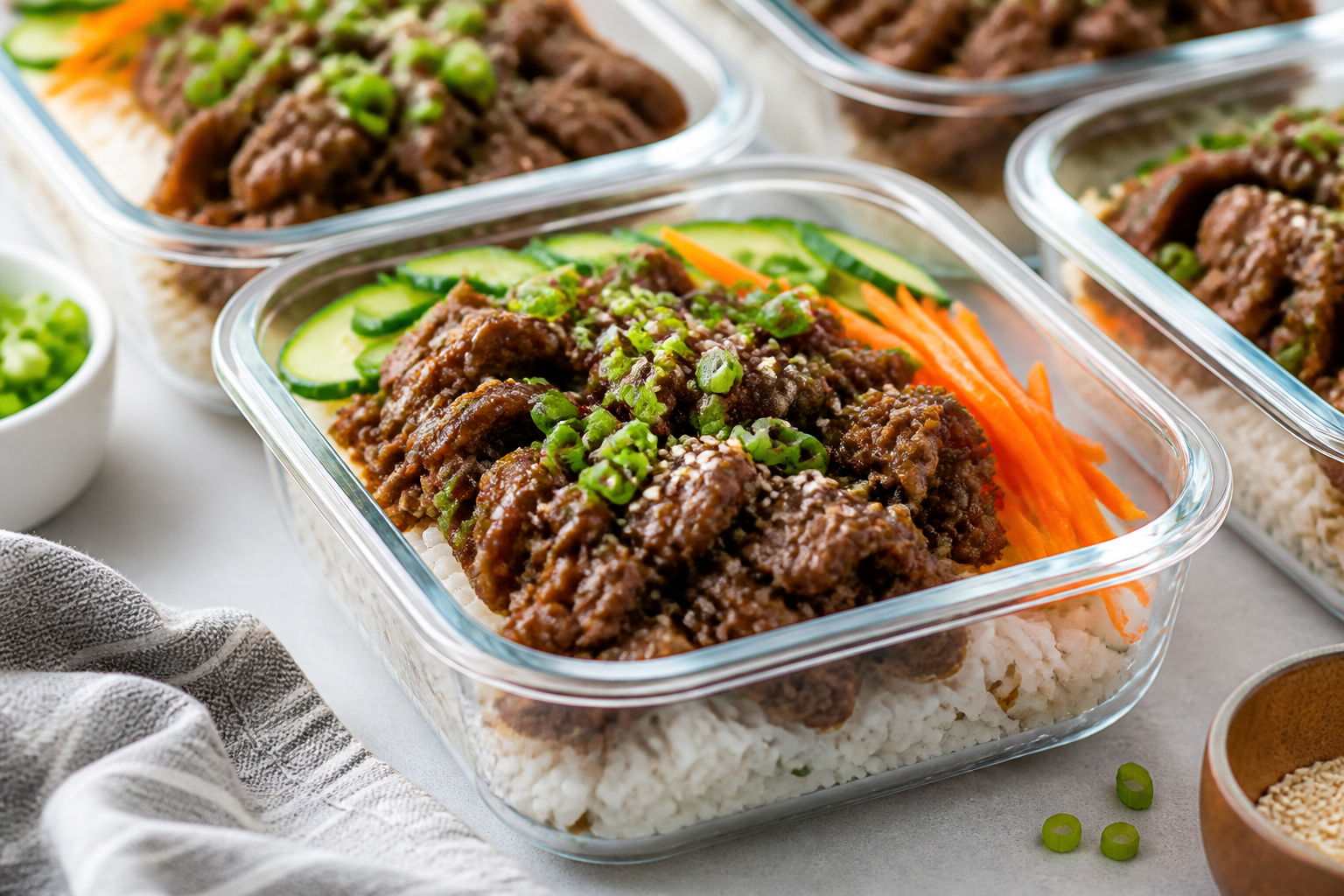
- Assemble. Divide rice into containers. Top with a generous scoop of Korean beef and a handful of sautéed veggies. Add quick pickles or fresh cucumber on the side if using.
- Finish with garnishes. Sprinkle sesame seeds and green onions on top. Add a small spoonful of kimchi or a lime wedge if you like a tangy kick.
- Cool, then seal. Let containers cool uncovered for 10–15 minutes before sealing to prevent condensation.
What Makes This Special
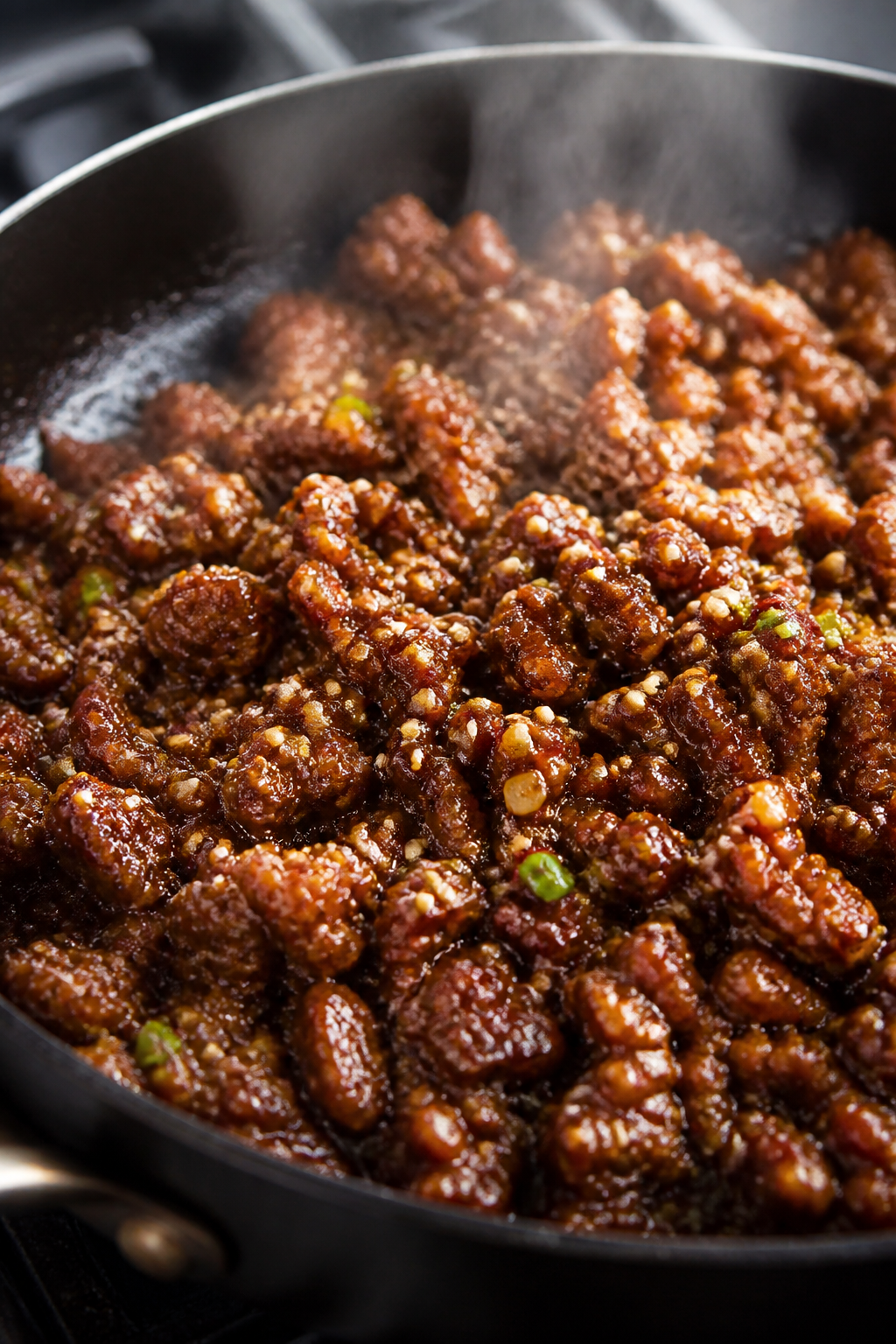
These bowls borrow the best parts of Korean barbecue—sweet, garlicky, and a little spicy—without the heavy lift. Ground beef cooks in minutes and soaks up a quick sauce made with soy, ginger, garlic, and a touch of honey.
You’ll pair it with a veggie mix that stays crisp-tender, so the bowls never feel soggy.
It’s also a meal prep champ. The sauces keep the beef juicy through reheating, and the flavor actually deepens after a day. Plus, you can scale it easily for four or eight bowls, depending on your week.
What You’ll Need
- Ground beef: 90–93% lean works best for flavor and less grease.
- Cooked rice: Jasmine, brown rice, or cauliflower rice.
About 4 cups cooked for 4 bowls.
- Vegetables: 2 cups broccoli florets, 1 red bell pepper (sliced), 2 medium carrots (matchsticks or thinly sliced), 1 small cucumber (for fresh crunch, optional), 3–4 green onions (sliced).
- Aromatics: 4 cloves garlic (minced), 1 tablespoon fresh ginger (grated).
- Korean-style sauce: 1/4 cup low-sodium soy sauce or tamari, 2 tablespoons honey or maple syrup, 1 tablespoon rice vinegar, 1–2 teaspoons sesame oil, 1–2 teaspoons gochujang (Korean chili paste) or red pepper flakes to taste.
- Quick pickles (optional but great): 1/2 cup thinly sliced cucumber, 1/2 cup thinly sliced carrot, 2 tablespoons rice vinegar, 1 teaspoon honey, pinch of salt.
- Garnishes: Toasted sesame seeds, extra green onions, lime wedges (optional), kimchi (optional).
- Cooking oil: 1 tablespoon avocado or olive oil.
- Meal prep containers: 4–5 medium, microwave-safe containers with tight lids.
Instructions
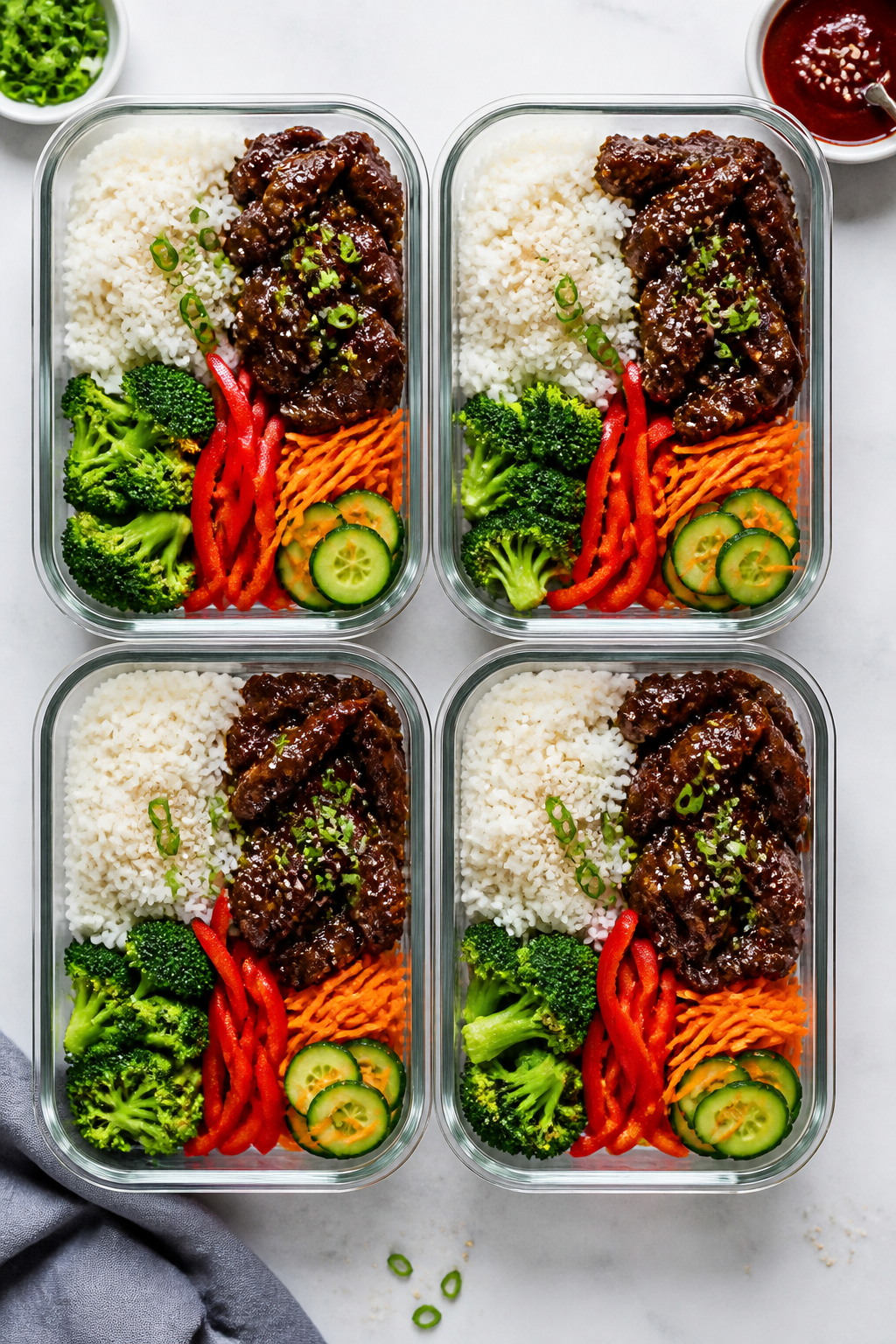
- Cook your base. Make 4 cups of cooked rice (about 1 1/3 cups dry). Fluff and let it cool slightly so it doesn’t steam up the containers. For lower carbs, steam cauliflower rice until just tender.
- Mix the sauce. In a bowl, whisk soy sauce, honey, rice vinegar, sesame oil, gochujang, and a splash of water (1–2 tablespoons).
Taste and adjust heat and sweetness. Set aside.
- Prep the veggies. Slice bell pepper, carrots, and broccoli into bite-size pieces. Thinly slice green onions.
If making quick pickles, toss cucumber and carrot with rice vinegar, honey, and salt. Let sit while you cook.
- Brown the beef. Heat oil in a large skillet over medium-high. Add ground beef and break it up.
Cook until no longer pink and lightly browned, about 5–7 minutes. Drain excess fat if needed.
- Add aromatics. Reduce heat to medium. Stir in garlic and ginger.
Cook 30–60 seconds until fragrant—don’t burn.
- Sauce it up. Pour the sauce into the skillet. Stir and simmer 2–3 minutes until glossy and slightly thickened. The beef should be coated and juicy, not soupy.
- Quick-cook veggies. In a second pan with a teaspoon of oil, sauté broccoli, bell pepper, and carrots with a pinch of salt for 3–4 minutes.
You want bright, crisp-tender veggies. Remove from heat.
- Assemble. Divide rice into containers. Top with a generous scoop of Korean beef and a handful of sautéed veggies.
Add quick pickles or fresh cucumber on the side if using.
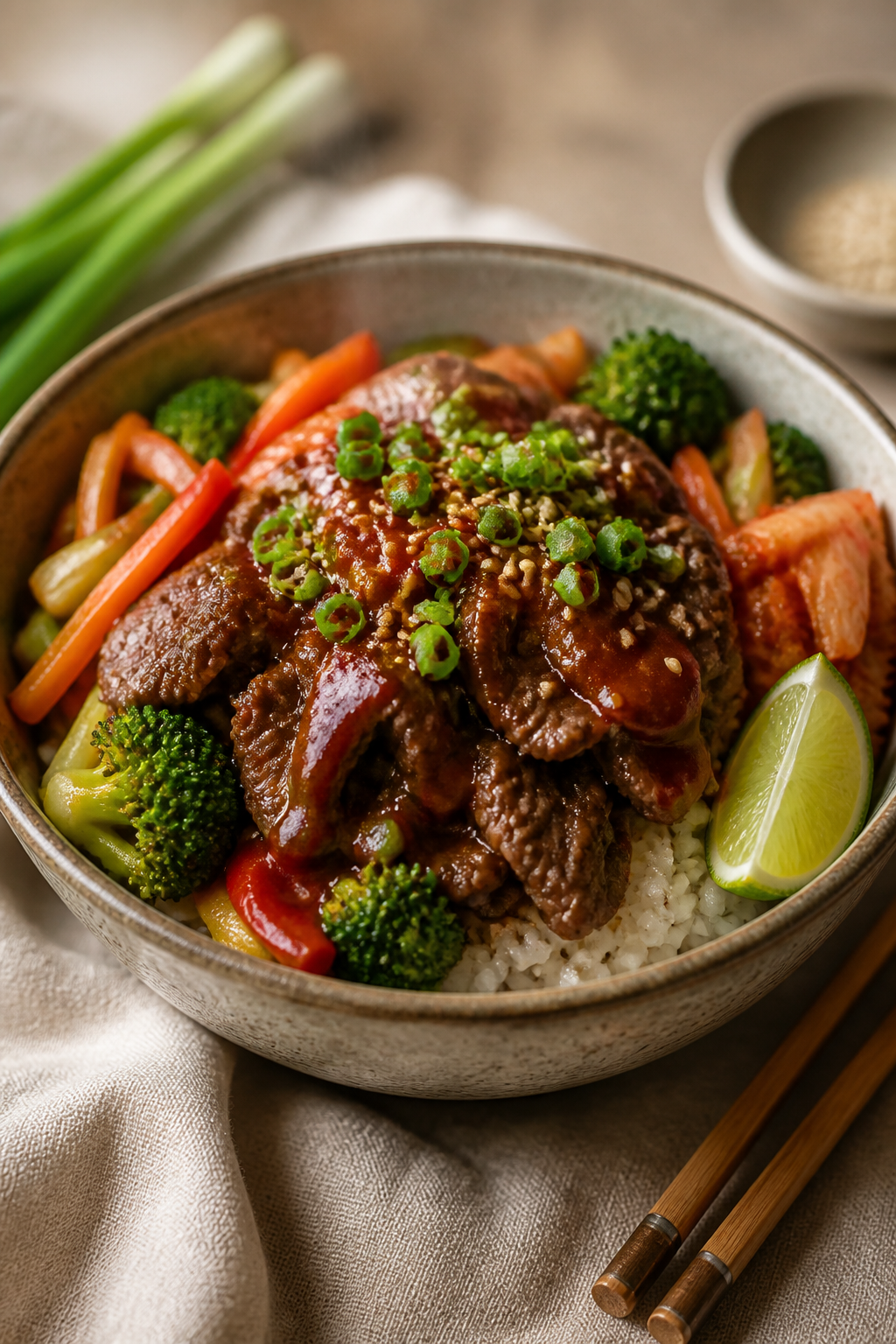
- Finish with garnishes. Sprinkle sesame seeds and green onions on top. Add a small spoonful of kimchi or a lime wedge if you like a tangy kick.
- Cool, then seal. Let containers cool uncovered for 10–15 minutes before sealing to prevent condensation.
How to Store
- Refrigerator: Store bowls for up to 4 days. Keep pickles and kimchi separate to maintain crunch.
- Freezer: Freeze rice and beef together for up to 2 months; add fresh veggies after reheating for best texture.
Avoid freezing cucumbers and pickles.
- Reheating: Microwave on medium power for 1–2 minutes, stir, then another 30–60 seconds until hot. Add a splash of water to rice if it’s dry.
Health Benefits
- Protein for staying power: Lean ground beef provides high-quality protein and iron, which helps you feel satisfied and supports energy levels.
- Veggie diversity: Broccoli, peppers, carrots, and cucumber add fiber, vitamin C, beta-carotene, and antioxidants that support immunity and eye health.
- Balanced macros: With protein, complex carbs, and healthy fats from sesame oil, you get steady energy without a crash.
- Sodium-smart swaps: Using low-sodium soy sauce keeps flavor high while managing salt intake.
- Fermented bonus: Kimchi (if you add it) brings probiotics that can support gut health.
Pitfalls to Watch Out For
- Overcooking the veggies: Mushy vegetables won’t hold up. Keep them crisp-tender.
- Too much sauce: You want a glaze, not a soup.
If it’s watery, simmer longer or add a teaspoon of cornstarch mixed with water.
- Condensation in containers: Sealing while hot makes rice soggy. Cool slightly before closing the lids.
- Heat levels: Gochujang varies in spice. Start with less and build up to your comfort level.
- Rice texture: Fresh rice can clump.
Fluff with a fork and add a tiny splash of oil or water before packing.
Variations You Can Try
- High-protein, lower-fat: Swap half the beef for ground turkey or extra-firm crumbled tofu. Keep the same sauce.
- Low-carb: Use cauliflower rice and add extra non-starchy veggies like zucchini or snap peas.
- Gluten-free: Use tamari or coconut aminos instead of soy sauce. Check your gochujang label for wheat.
- Extra veg: Add shredded cabbage or spinach to the pan in the last minute.
They wilt quickly and add volume.
- Spicy-sweet glaze: Whisk 1 teaspoon grated pear or apple into the sauce for a bulgogi-like sweetness.
- No-cook crunch: Top with sliced radishes, fresh cucumber, or a handful of mung bean sprouts after reheating.
- Egg on top: A jammy 7-minute egg or fried egg adds richness and ups the protein.
Never wonder what's for dinner again.
Get 7 healthy, family-friendly dinners complete with recipes, grocery lists, and simple meal plans delivered straight to your inbox.
FAQ
Can I use a different cut of beef?
Yes. Thinly sliced flank or sirloin works great. Sear it hot and fast, then toss with the sauce just to coat so it stays tender.
What if I don’t have gochujang?
Use sriracha or red pepper flakes with a small extra spoon of honey.
It won’t be the exact flavor, but you’ll get that sweet heat balance.
How can I make this even lighter?
Use cauliflower rice, leaner ground beef, and cut the honey by half. Add more veggies to increase volume without adding many calories.
Will the bowls get soggy?
Not if you keep veggies crisp-tender and let everything cool before sealing. Store juicy add-ins like pickles and kimchi separately and add them after reheating.
Is this kid-friendly?
Yes—just reduce or skip the gochujang.
The sweet-savory sauce still tastes great without the heat.
Can I make it in one pan?
You can. Cook the beef first, remove it, then sauté the veggies in the same pan. Return the beef and add the sauce.
It saves dishes, though veggies may be slightly softer.
How do I scale the recipe?
For eight bowls, double all ingredients and use an extra-large skillet or cook the beef in batches so it browns instead of steams.
In Conclusion
Healthy Korean Beef Meal Prep Bowls deliver big flavor with week-friendly ease. You get protein-packed, colorful lunches that reheat well and keep you full. With simple swaps, you can tailor the bowls to your diet, spice level, and what’s in your fridge.
Prep once, enjoy all week, and actually look forward to lunch.
Printable Recipe Card
Want just the essential recipe details without scrolling through the article? Get our printable recipe card with just the ingredients and instructions.
Loved This Recipe?
If you're looking for more simple, healthy dinners your family will actually eat, grab my FREE 7-Day Easy Dinner Reset. You'll get 7 easy dinner recipes, simple grocery lists, and a done-for-you plan that takes the stress out of mealtime.